When the Bait Works on the Experts: Seven Phishing Campaigns That Slipped Past Trained Eyes
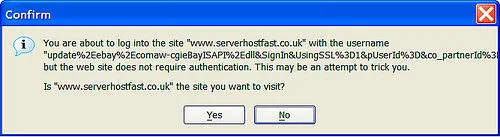
Photo: ern, MPL 1.1, via Wikimedia Commons
There is a comfortable myth in cybersecurity that phishing succeeds only on the careless. The record suggests otherwise. Incident reports, security-conference disclosures, and threat-intelligence write-ups from the past two years describe campaigns that reached chief information security officers, penetrated organizations with mature security programs, and prompted responses from people whose full-time job is spotting exactly these attacks. Studying them is not an exercise in schadenfreude; it is the fastest available education in how modern social engineering actually operates.
1. The Voice That Wasn't There
Perhaps the most consequential development in recent phishing is the arrival of convincing synthetic audio. In multiple reported incidents, attackers used publicly available recordings of an executive — earnings calls and conference keynotes supply hours of clean audio — to train voice-cloning models, then placed urgent phone calls to finance staff requesting wire transfers. In at least one widely publicized case, a deepfake video conference featuring multiple fabricated 'colleagues' persuaded an employee to move substantial corporate funds.
The lesson: urgency plus authority plus a communications channel that cannot be inspected is the modern fraud trifecta. Treat any financial request that arrives by voice as unverified until confirmed through a second, independent channel.
2. The Payroll Redirect
Several campaigns have targeted HR departments rather than executives, impersonating employees who ask to update direct-deposit information. The emails are polished, reference correct internal titles, and often arrive shortly after a real organizational change — a promotion, a merger, a new payroll system — that makes the request plausible.
The lesson: attackers exploit timing and context. Any change to payment details should be verified face-to-face or by phone using a number on file, never by replying to the request itself.
3. The Calendar That Came Pre-Infected
A campaign that circulated widely delivered malicious links not in the email body but inside calendar invitations and appointment notes. Because many users scan invitations quickly and calendar clients render attachments with less scrutiny than email, the payload reached inboxes that filters had already passed.
The lesson: the attack surface is the whole application, not just the inbox. An invitation from a known contact can still carry a hostile link — inspect the destination before clicking, not the sender's name alone.
4. The Conversation That Started Innocently
Rather than launching a malicious payload immediately, some campaigns open with a bland, harmless message — 'Are you free for a quick call?' or a forwarded document with a question attached. Only after a natural reply does the second email arrive, now carrying a link or attachment. Because the thread is already established, both the recipient's suspicion and the email filter's heuristics have been disarmed.
The lesson: trust is not established by thread history. A conversation's legitimacy is only as good as its most recent message.
5. The Fake MFA Prompt (Fatigue Attacks)
Not all phishing involves a lure at all. In 'multifactor fatigue' attacks documented across multiple organizations, adversaries who had already stolen a password simply triggered repeated authentication prompts — often late at night — until a tired employee approved one. Some variants escalated to calls impersonating IT staff asking the user to 'please approve the prompt so we can fix your account.'
The lesson: a push notification is a decision, not a formality. Deny unexpected prompts, then change the password, since an unexpected prompt means the password is already compromised.
6. The Shared Document That Wasn't
Campaigns impersonating legitimate file-sharing notifications — the sort of message workers receive dozens of times weekly — have repeatedly bypassed both users and filters. The tell is subtle: a lookalike domain, or a link that routes through an open-redirect on a legitimate site before landing on a credential-harvesting page that mimics a familiar sign-in screen.
The lesson: the sign-in page is the attack, not the email. Enter credentials only by navigating to the service directly or using a bookmarked address, and enable hardware-backed or app-based authentication rather than SMS codes where possible.
7. The Vendor Who Got Hacked First
Some of the most effective campaigns never impersonate anyone. Instead, attackers compromise a real supplier, then send invoices or document links from the vendor's genuine, trusted email account. Recipients see a legitimate sender, a legitimate domain, and an invoice that looks like last month's — because it is built on last month's.
The lesson: trust in a sender is trust in their security. Verify payment and document requests through known contacts when the amount, banking details, or urgency deviates from the norm, even when the email is authentic.
The Common Thread
Across all seven cases, the pattern is identical: the attackers did not defeat the technology; they defeated the decision. Every campaign weaponized legitimacy — of a voice, a thread, a vendor, a prompt. The durable defense is procedural, not perceptual: independent verification channels, phishing-resistant authentication, and a workplace culture in which pausing to double-check is rewarded rather than ridiculed. The experts who survived these campaigns were not more skeptical than their colleagues. They had simply made verification a habit rather than a reflex.