The Doorbell That Answers When You're Not Home: How Smart Entry Devices Broadcast an Empty House
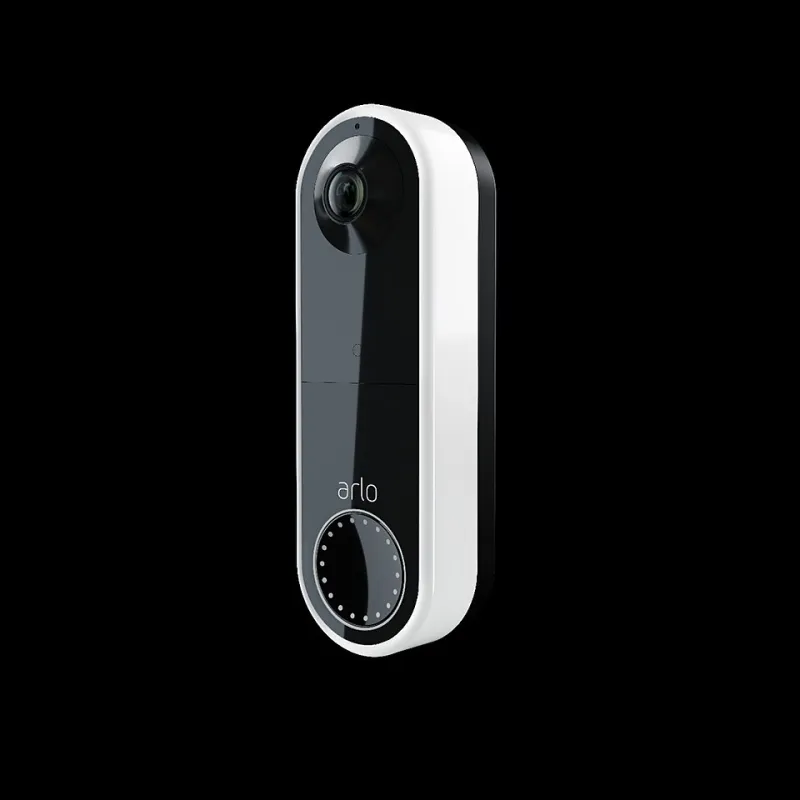
Photo: SalariéVerisure, CC BY-SA 4.0, via Wikimedia Commons
On a tree-lined street in Columbus, Ohio, a couple of delivery notifications can paint a remarkably complete picture of a family's week. The doorbell camera pings at 9:14 a.m. — everyone has left. The smart lock reports the garage closing at 9:17. A package arrives at noon and is carried inside by a neighbor, which the app dutifully logs. Nothing about this stream was meant for outsiders. Yet according to researchers who study connected-home traffic, fragments like these can end up in the hands of people the household has never met.
The Metadata Problem Nobody Mentions at Purchase
When Americans buy a video doorbell, the pitch centers on safety: see who is at the door, deter porch pirates, check in on the dog. What rarely comes up in the setup wizard is that the device generates a continuous stream of information — not just video, but signals about status, connectivity, and activity.
Dr. Elena Vasquez, an IoT security researcher who has spent years auditing consumer camera ecosystems, describes the issue as "a second conversation happening behind the useful one."
"The user sees the app. The attacker, or sometimes just a curious neighbor with the right scanner, may see a different layer: whether the device is online, when it wakes up, when firmware checks occur, even patterns in network chatter that correlate with the doorbell being pressed or motion being detected," she said.
Individually, each signal is trivial. Combined over weeks, they form a rhythm — and rhythms, in the wrong hands, are schedules.
What the Disclosed Vulnerabilities Show
Public vulnerability disclosures over the past several years have repeatedly illustrated the pattern. Some budget camera models exposed device status through local network scanning tools, allowing anyone within Wi-Fi range to enumerate which homes had which hardware. Others suffered from weak default credentials or unpatched firmware flaws that let remote observers access live feeds or event logs.
The most consequential incidents tend to involve account compromise rather than clever radio tricks. Credential-stuffing attacks — reusing passwords leaked in unrelated breaches — have given strangers access to cameras, two-way speakers, and notification histories. In several widely reported US cases, intruders used the speaker function to harass families, demonstrating that access to the device often means access to the household's sense of security itself.
Notification metadata deserves particular attention. A stream of "motion detected: person" alerts that suddenly stops, or a doorbell that goes quiet every weekday between 8 a.m. and 6 p.m., is a behavioral fingerprint. An observer with access to even a partial feed — a shared family account, a leaked log, a compromised cloud dashboard — can infer occupancy with unsettling accuracy.
Who Is Actually Collecting This
Researchers generally sort the audience for this data into three groups, each with different implications.
First, the companies themselves. Video doorbells are data-generating machines, and some manufacturers monetize event metadata, share it with partners, or, in a handful of documented cases, have provided footage to third parties under legally murky circumstances. The privacy policies are long; the defaults are generous to the vendor.
Second, opportunistic attackers. Most are not sophisticated. They run automated scans, try recycled passwords, and look for easy wins. A camera they can see is a camera they can potentially use — for intimidation, for confirming an empty house, or for resale on forums that traffic in compromised accounts.
Third, and least discussed: casual observers. A device that broadcasts its presence on the local network tells anyone driving past with freely available scanning software that this particular house trusts its perimeter to a particular gadget. That knowledge alone shapes opportunity.
The Settings That Actually Matter
None of the researchers interviewed for this piece argued that Americans should rip their doorbells off the wall. The consensus is more modest: a handful of configuration choices eliminates most of the practical exposure.
Put the device on a separate network. Most modern routers offer a guest or IoT network. Isolating cameras and doorbells from laptops, phones, and files limits the blast radius if the device is compromised.
Harden the account, not just the hardware. A unique password and app-based two-factor authentication stop the credential-stuffing attacks that account for the majority of camera takeovers. This single step, security professionals say, prevents most of the incidents that make the news.
Audit sharing and notification settings. Many ecosystems allow users to share access with neighbors or enable community alert features. Each sharing pathway widens the circle of people who can see when the household comes and goes. Pruning it quarterly takes minutes.
Update firmware or buy accordingly. Devices that no longer receive security patches are, functionally, surveillance equipment pointed at the owner. Checking the manufacturer's update policy before purchase is now as important as the video resolution.
Reduce the event trail. Where possible, limiting cloud event history and disabling features that report device status externally shrinks the behavioral fingerprint the device leaves behind.
A Reasonable Trade, Not a Fortress
The cultural anxiety around connected cameras tends toward two extremes: indifference or alarm. Vasquez suggests a middle path grounded in what the data actually shows.
"These devices are not haunted," she said. "They are poorly configured by default and poorly understood by the people who own them. The gap between those two things is where the risk lives, and it is a gap most households can close in an afternoon."
The doorbell will still ring. The package will still be recorded. The difference is that the household — not the device, and not a stranger with a scanner — decides who else gets to know the schedule.